One Case Line, Two Very Different Phones: The Engineering Behind iPhone Duo
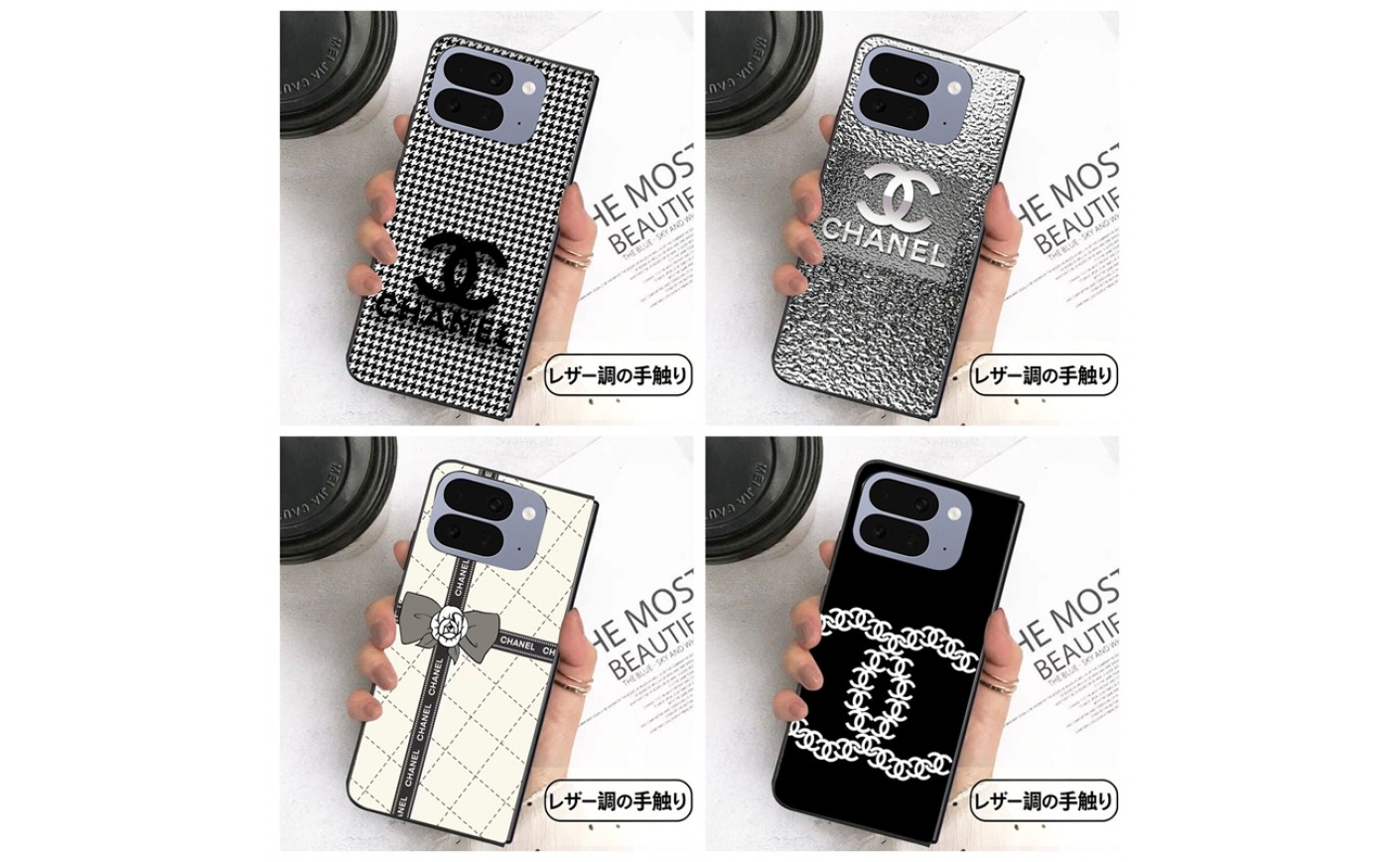
Most case brands pick a lane. Ours picked two: iPhone flagships and Galaxy foldables. That sounds like marketing — until you look at what changed on both sides in 2026.
Side one: the iPhone 18 Pro Max is harder to case than it looks
Apple's new flagship, introduced in September 2026, brought three changes that directly affect case design:
A taller, more complex camera module. The main camera has a variable aperture now — six laser-cut blades moving from f/1.48 to f/4.0. The module is deeper than last generation, which is why a raised lip isn't cosmetic: a flush case leaves the lens sitting on the table. Media coverage at 9to5Mac and MacRumors both flagged the module depth as the notable physical change.
A repositioned, smaller Dynamic Island. Screen-side cut-outs and edge framing shift slightly; templates built for the 17 series don't align perfectly.
More heat, more spread. Apple tripled the vapour-chamber area and claims up to 40% better sustained performance. Translation for case buyers: a case that traps heat works against the phone's own thermal design. This is why our matte TPU and canvas-look backs — breathable, non-insulating — are the sensible picks for gaming and heavy camera use, while glossy PC suits short-burst photography and fashion use.
Side two: foldables break most case assumptions
Samsung's July 2026 Galaxy Unpacked lineup (Samsung Newsroom has the official specs, GSMArena the numbers) made the problem harder again:
- Galaxy Z Fold 8: new 4:3 inner display at 7.6", wider 5.5" cover screen — different body geometry to every Fold before it.
- Galaxy Z Fold 8 Ultra: 8" QXGA panel, 200MP main camera, S Pen support, 5000mAh silicon-carbon battery.
- Galaxy Z Flip 8: 180g, 6.1mm unfolded — the lightest Flip yet, with the Flex Window as the primary interface.
Foldables bring three case-specific constraints:
- Hinge clearance. The case must not add thickness at the hinge or it blocks the fold flat.
- Cover-screen interaction. If the Flip's Flex Window is the main UI, the case front must not obstruct swipe gestures on the cover display.
- Mass distribution. A heavy case on a 180g phone feels like a brick. Foldable cases have to be thin by necessity.
That's the practical meaning of iPhone Duo: the same print family, two completely different mechanical briefs.
The shared build spec across the line
- Precision-cut port, speaker and camera openings per device template (not "universal")
- Raised camera lip, sized to the specific model's module
- Wireless charging compatible without removal — including MagSafe-style and Qi2 accessories
- Impact-absorbing frame with moulded button ridges
- Print applied per finish: quilted leather-look, glossy PC, silicone, matte TPU, canvas-look
You can see the spec stated plainly on individual listings, such as this Louis Vuitton iPhone Duo quilted leather foldable case for the Fold 8 / Flip 8 generation.
Why we stock instead of pre-sell
Because the two device families released within two months of each other. Samsung's foldables shipped from early August; Apple's iPhone 18 Pro series went on sale September 18. A case brand can either guess inventory and hold it, or make customers wait.
We hold it. iPhone Duo cases start at $34–$36, ship in 3–7 days, free over $59 USD. Wholesale and dropshipping are welcome, with bulk pricing or free express shipping on request.
Browsing routes:
- Full brand shelf → brand iphone Duo case cover
- New iPhone 18 Pro Max models → iPhone 18 Pro Max collection
Further reading
- Apple iPhone lineup — official model and dimension reference
- Samsung Galaxy — Fold 8 / Flip 8 specs
- GSMArena — third-party spec database
- The Verge — hands-on reviews
- Wired — long-form device coverage
Two phone families, one print shelf, and a stock room that isn't empty.